Four Local Projects to Receive Community Development Block Grant Fuunding
Vol. III, No. 232 - Federal dollars get reinvested back into local communities
Four local projects in the upper Miami Valley will share in new Community Development Block Grant (CDBG) dollars, and together they show how this long standing federal program can make a community safer, more stable, and more hopeful for the future. While the dollar amounts are modest, the work they fund will touch water lines, housing conditions, and neighborhood parks in ways most residents will feel, even if they never hear the term “CDBG.”
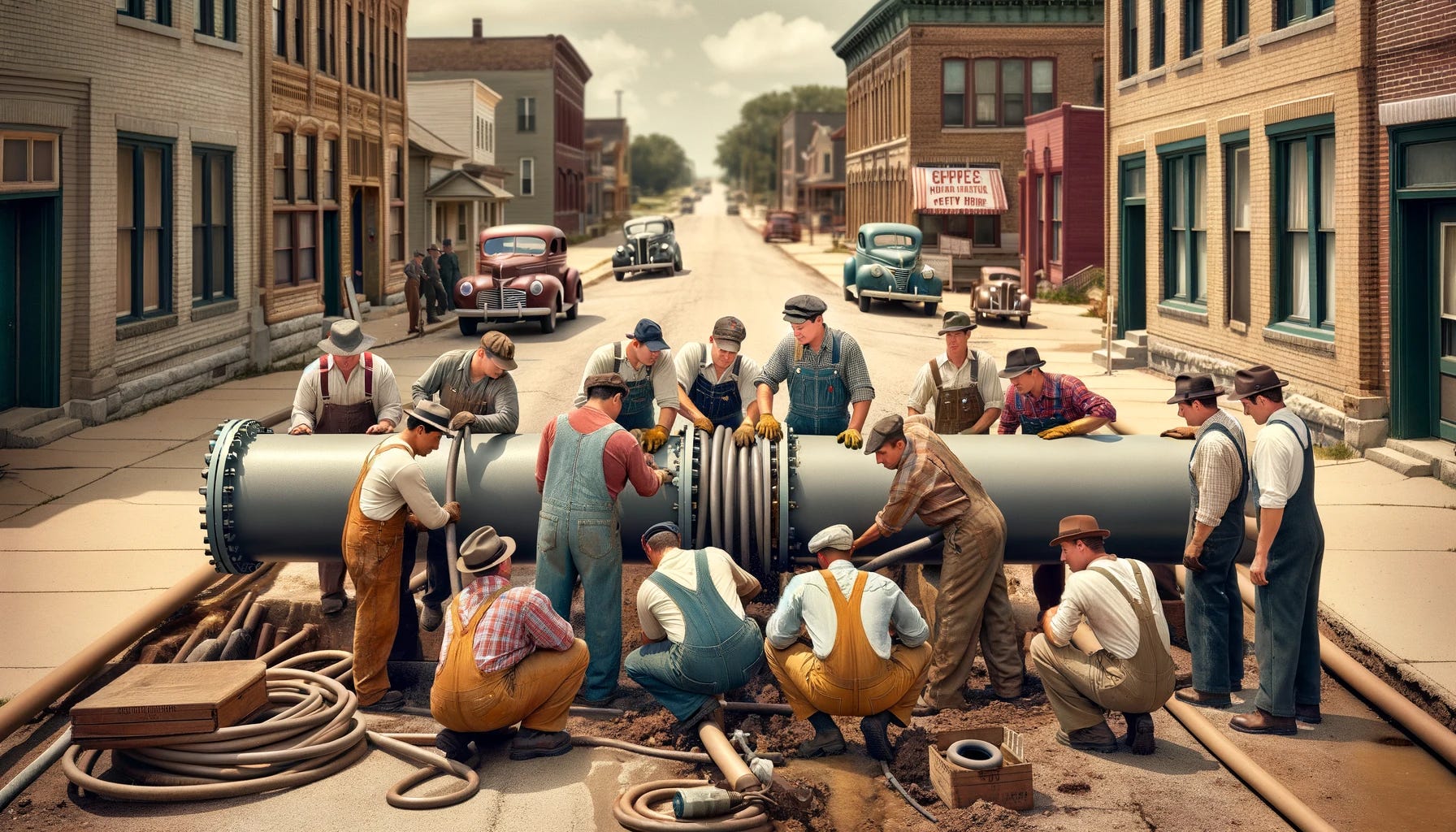
Miami County will receive $196,000 to upgrade aging water infrastructure in two small communities: the village of West Milton and the village of Pleasant Hill. In West Milton, the county will replace a water main and fire hydrants, a project expected to benefit 4,790 residents by improving water reliability and fire protection in the community.
In Pleasant Hill, the county will replace old water lines serving about 675 residents, addressing issues that can include leaks, lower water pressure, or line failures that disrupt daily life. These are not flashy projects, but they are the kind that improve daily lives and give villages a stronger foundation for future growth and investment.
In addition, the City of Piqua will receive $150,000 to demolish three vacant, dilapidated structures. Removing long-neglected buildings does more than clean up an eyesore; it can improve nearby property values, reduce safety risks, and open the door for new uses on those sites.
Demolition is one of the eligible uses of CDBG funds because federal rules recognize that blighted properties can drag down entire blocks and discourage private investment. For a community like Piqua, taking down the worst buildings is often a first step toward rebuilding—whether that means new housing, small businesses, or simply a safer, cleaner street for neighbors who have stayed and invested.
In neighboring Shelby County, the City of Sidney will also receive $150,000. Sidney plans to use the grant to repair or replace sanitary sewer and water service connections for single-family homes where the owners meet low- and moderate-income guidelines, and to replace a shelter at Riverbend Park that serves about 354 people.
Sidney is also receiving money to help fix up homes. The funding is designed to help households that often struggle the most with big, unexpected costs—like a failed service line between the house and the street. By targeting assistance to income-qualified homeowners, the program keeps houses livable, prevents health and safety problems, and helps residents stay in their homes instead of being forced out by repair bills they cannot manage.
The Community Development Block Grant program is a federal tool created in the 1970s that sends money from the U.S. Department of Housing and Urban Development (HUD) to states and local governments to support local priorities. At its core, CDBG is meant to do three things: benefit low- and moderate-income residents, prevent or eliminate slum and blight, and address urgent community needs such as serious health and safety threats.
Ohio receives an annual share of CDBG funding, then distributes a portion through the “Allocation Program” to smaller “non-entitlement” cities and counties that do not receive CDBG funds directly from HUD. Eligible projects range from infrastructure—like streets, sidewalks, parks, and water and sewer lines—to public services, housing and homelessness assistance, and community centers, as long as they meet federal rules and serve community needs.
For 2025, 51 communities in Ohio will share about $10.9 million in allocation funding, and the Miami and Shelby County projects are a small but important slice of that total. When Governor Mike DeWine and Development Director Lydia Mihalik talk about “safer streets, cleaner water, better parks, and essential services,” they are pointing to the everyday work these grants make possible—work that often stays below the radar but shapes how it feels to live in a place.
In West Milton, Pleasant Hill, Piqua, and Sidney, CDBG dollars will not build a new stadium or a major landmark; instead, they will fix the pipes under our roads, clear out the worst problem properties, and help lower-income neighbors stay in safe homes and enjoy a basic park shelter. The kind of projects that the CDBG Program was designed to tackle.
Announcing our January Community Survey!
Every other month, this publication takes time to ask our readers how they feel about the happenings in their hometown! What are the challenges? What are the opportunities? Is your hometown headed in the right direction? Our survey is the easiest way for you to express your thoughts. Next month, this publication will report out on the results.
Thanks for your time and your participation! It is greatly appreciated!
A New Way to Support This Work
Our readers and subscribers have been asking for a new way to support the work being done here at Civic Capacity! Some of our readers do not like the idea of having to sign up for another subscription service. Some of our subscribers occasionally want to give more support through a one-time transaction.
Civic Capacity is partnering with “Buy Me A Coffee” to give our readers, subscribers and friends an opportunity to give one-time support to Civic Capacity. Personally, I don’t like coffee, but I will never turn down a nice iced tea. If you feel compelled to support this effort, just click the button below.
Thanks for reading today’s Civic Capacity Newsletter! Please feel free to share this information with your friends and neighbors.
Also, please consider subscribing to our work. If you are a free subscriber, please consider becoming a paid subscriber. For less than $1 a week, you can get timely and conversational updates about the decisions that are impacting you and your community!


Very informative. Thank You.