PIqua City Commission Hears From County Leaders on Jail
Vol. III, No. 191 - County Elected Officials Hit The Road to Pitch Jail Plan
Last Night, the Piqua City Commission heard a presentation from Miami County Commissioner Wade Westfall and the Miami County Sheriff Dave Duchak. The message from both leaders was clear: Miami County is at a turning point when it comes to its jail and justice system.
The county has grown, crime has changed, and the buildings that once worked are now strained and outdated and soon voters will be asked to consider a plan that replaces aging facilities, improves safety, and addresses mental health and addiction, all while spreading the cost in a careful and transparent way. The question is not just about new walls and doors; it is about what kind of safety system Miami County wants for the next generation.
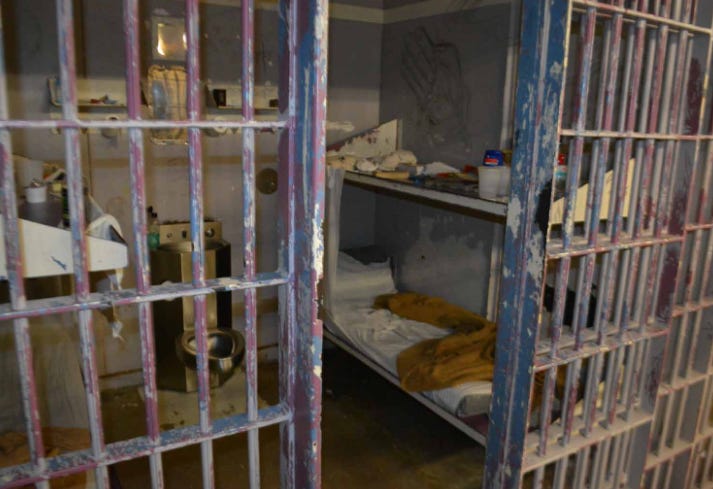
Today, Miami County runs two main jail facilities, each with serious limits that affect safety, cost, and fairness. The downtown jail in Troy was built in the 1970s using 1960s technology, long before modern safety standards, digital systems, or today’s population levels. It was never designed for the larger, more complex jail population that exists now, or for the rise in mental health and addiction challenges that shape who ends up in custody. That mismatch between old design and current reality increases safety risks for inmates and staff and heightens liability for the county.
The separate minimum security Incarceration Facility, opened around 2000, holds non‑violent misdemeanor inmates and cannot legally house people accused of violent offenses or higher‑level felonies. It has four housing pods with space for 240 inmates, but only three pods are staffed and the fourth sits idle, even as staff and resources are stretched thin across two sites.
Over time, the county’s jail has quietly become something it was never meant to be: a detox center and a front‑line mental health facility. About two‑thirds of the people in jail have a mental health condition, a substance use disorder, or both, yet the downtown jail has no infirmary beds to treat them inside the facility. When someone needs more serious care, staff must transport and guard that person in a hospital room, often on long shifts, driving up overtime costs and putting more pressure on a workforce that is already challenged. At the same time, the average daily jail population has been rising again since the COVID‑era reductions, and many “high utilizers” cycle in and out of the jail multiple times a year. In one year, nearly 300 people were admitted at least twice and dozens three or more times, and together they accounted for a large share of the average daily population. This churn puts stress on staff, strains outdated space, and makes it harder to focus on rehabilitation, not just containment.
The county’s proposal lays out a different path that tries to match facilities to the real needs on the ground. The plan calls for building a new, full‑service 200‑bed jail on county‑owned land, designed to serve Miami County’s needs through the year 2050. Instead of simply adding beds, the new facility is designed with different kinds of housing units, including specialized space for people with mental health and substance use issues, along with modern medical areas to reduce the need for hospital trips and furloughs. There would be dedicated pods for women, flexible classification space to place people safely based on risk and need, and restrictive housing areas for those who require closer supervision. The design focuses on clear sight lines, modern controls, and safer working conditions for staff, which helps prevent incidents before they happen.
A key feature of the plan is bringing more of the justice system under one roof. The new building would house the jail, the Sheriff’s Office, and house the county’s emergency management agency in a single, integrated complex. That setup would improve communication, reduce duplicated space, and make staffing more efficient across different divisions. It would also freeup roughly one‑third of the existing Safety Building for courts and county offices, allowing better use of current space without launching additional building projects. Portions of the existing Incarceration Facility would be reused for minimum security beds, food service, laundry, and administrative functions, which saves money by making use of buildings the county already owns.
And with any long-term plan, it carries a significant price tag, but it is structured to protect, not fleece, taxpayers. The total project cost is estimated at roughly $103 million for the new jail and Sheriff’s Office campus, including needed upgrades to the Incarceration Facility and typical “soft” costs such as design and project management. Importantly, construction costs are rising by about $2.5 million each year the project is delayed, meaning that waiting does not avoid the expense but instead makes the same solution more costly in the future.
To pay for the project, county leaders are proposing a one‑half percent sales tax, equal to one half of one cent on the dollar. On an everyday level, a ten‑dollar purchase would cost ten dollars and five cents, and a hundred‑dollar purchase would cost one hundred dollars and fifty cents. Groceries are not taxed under this proposal, so basic food costs would not change. Perhaps most impactful, visitors from outside Miami County who shop or dine locally would help share in the cost of the new jail and public safety investment, spreading that cost amongst the largest tax-base possible.
From the presentation that was provided, this plan is about more than concrete, steel, and technology. A modern jail and justice campus would safeguard the rights and safety of inmates and staff, reduce legal liability and risk for the county, and provide better conditions for treatment, counseling, and reintegration. Specialized housing for mental health and addiction is meant to improve outcomes for people who are often at their lowest point, which in turn can reduce repeat offenses and support safer communities.
The plan is also framed as a way to manage growth: Miami County is one of the few counties in its region that has been growing and is projected to grow again, and its justice system must be ready for that future. By using a sales tax instead of higher property taxes, the county can make a large, one‑time investment while keeping homeownership more affordable and attainable.
In the end, the choice before voters is whether to invest now in a safer, stronger system that matches today’s realities and tomorrow’s needs, or to keep relying on buildings designed for another era. The current facilities carry rising maintenance costs, growing safety concerns, and limited capacity to handle mental health and addiction needs and shows daily that it is not a long-term viable option.
The proposed plan from the county aims to address those problems with a single, coordinated solution financed in a way that spreads the burden broadly and lightly. As the community weighs this decision, the core question is how Miami County can best protect both its people and its public dollars over the long term, this plan certainly goes a long way in accomplishing that goal.
What do you think about this jail plan? Our paid subscribers are encouraged to leave their thoughts in the comment section of today’s newsletter!
A New Handbook to grow Civic Capacity!
Recently, we created a new digital handbook, “The Citizen’s Guide to Public Records”. This handbook is designed to help residents have a better understanding of public meetings and meeting records. It’s filled with templates, ideas and other information that will open a new world of public affairs.
Also, if you have ideas for future handbooks, please let us know at pinnaclestrategiesltd@gmail.com.
Want to Learn More About Troy’s Businesses?
Our publication has recently released our September 2025 Economic Abstract, the most comprehensive and up-to-date report on the businesses and industries in the City of Troy. For those that want to understand our community’s business and industries, this is a must-have report.
Thank you to our New Media Partners!
Recently, many of our stories has been showing up on the local news website, www.mymiamicounty.com. We are grateful for the good folks for sharing our work with their audience and we would encourage our readers to check them out at their website!
Our publication would also like to recognize the good work being done at www.piquanewsnow.com. Piqua News Now is a new web-based news and information site for the Miami County area, with a specific focus on Piqua!
In addition, the good folks at Piqua News Now have started a new, 24-hour streaming YouTube channel. This channel is awesome with continuous weather updates and more importanly, it provides a 24-hour audio feed from county wide dispatch. Check it out here!
You Can Help Support This Work!
Our readers and subscribers have been asking for a new way to support the work being done here at Civic Capacity! Some of our readers do not like the idea of having to sign up for another subscription service. Some of our subscribers occasionally want to give more support through a one-time transaction.
Civic Capacity is partnering with “Buy Me A Coffee” to give our readers, subscribers and friends an opportunity to give one-time support to Civic Capacity. Personally, I don’t like coffee, but I will never turn down a nice iced tea. If you feel compelled to support this effort, just click the button below. In other words, this is an online tip jar.
Also, thanks for reading today’s Civic Capacity Newsletter! Please feel free to share this information with your friends and neighbors.
Also, please consider subscribing to our work. If you are a free subscriber, please consider becoming a paid subscriber. For less than $1 a week, you can get timely and conversational updates about the decisions that are impacting you and your community!


