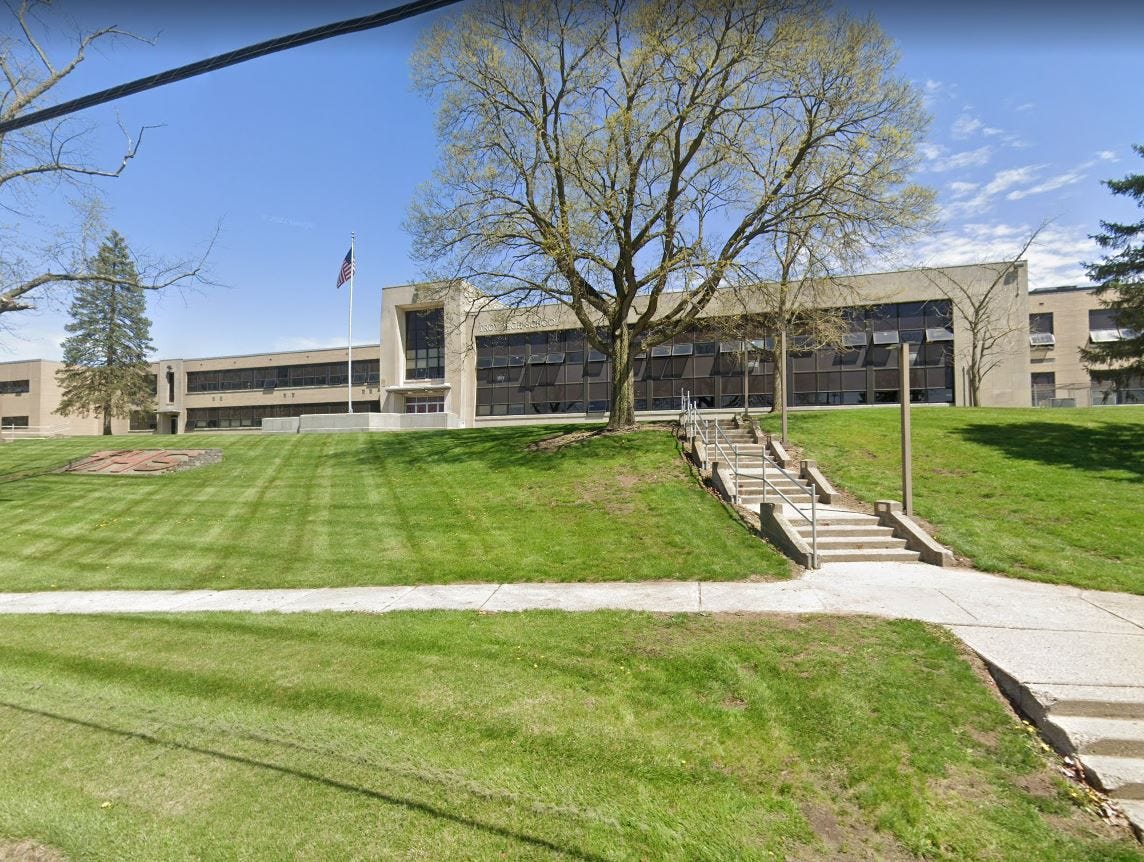
State Auditor Releases Troy City School District Financial Audit
Vol. III, No. 311 - An inside look at the School District's Financial Health
The Ohio Auditor of State released the Troy City School District’s annual financial audit last week, covering the fiscal year that ended June 30, 2025. It’s an 89-page document. Most residents will never read it.
You can download it here.
Property and Income Tax Revenue Are Up
The district’s two main local revenue sources — property taxes and income taxes — both showed increased revenues brought in through fiscal year 2025.
Property tax collections came in at $32.3 million, up from $26.9 million the prior year — an increase of roughly $5.4 million, or about 20 percent. The report credits rising property values and additional tax levies approved by voters in 2024. There’s also a structural factor: because the district operates at Ohio’s 20-mill floor, it automatically collects more revenue when property values increase, without any new vote required.
The district’s earned income tax generated $15.2 million in fiscal year 2025, up from $14.5 million the year before — a $670,000 increase driven by wages and salaries earned by district residents. Put together, local taxpayers contributed roughly $47.5 million to the school district through property and income taxes alone last year.
Spending Increased Significantly
Total district expenses rose to $72.1 million in fiscal year 2025, up from $63.9 million the prior year — an increase of $8.3 million, or about 13 percent. Two things drove that growth.
The largest spending category is instruction — classrooms, teachers, direct student services — which totaled $42.4 million, up from $39.5 million. The audit cites wage increases and rising health care costs as the primary factors. The second driver was debt. Interest and fiscal charges jumped from $1.3 million to $4.9 million as repayment began on bonds issued the previous year.
You Voted for This. Here’s What It Costs.
That debt growth connects directly to decisions voters made at the ballot box in November 2023. In March 2024, the district issued $87.83 million in general obligation bonds to finance the construction of three new elementary schools and one new middle school. Voters approved those bonds. Construction is underway.
In August 2024, the district issued an additional $23 million in certificates of participation — a financing tool that doesn’t require a voter referendum — to fund capital improvements at Troy High School. Those projects are also in progress. When you combine both, the district now carries approximately $114.1 million in outstanding bonds and certificates of participation. That is the cost of what was promised, and what is being built.
The debt service on those obligations — principal and interest — will be a significant line item in the district’s budget for decades. The general obligation bonds tied to the school construction project carry term bonds that don’t mature until 2049, 2054, and 2060.
The General Fund: Functional but Tighter
The General Fund is the district’s primary operating account. It ended fiscal year 2025 with revenues slightly below expenditures — a $332,000 deficit for the year, compared to a $2.6 million surplus the year before. The district maintained an unassigned fund balance of $19.4 million, which represents about 31.8 percent of total General Fund expenditures — a healthy reserve by most public finance standards, though I am sure most school leaders would like to see that number a little higher.
The audit notes that as federal pandemic-era grant funding winds down, the General Fund is absorbing costs that were previously covered by those one-time sources. That transition is real, and it will continue to put pressure on day-to-day operations in the years ahead.
The Bottom Line
The district’s total financial equity — what the audit calls net position — grew by $10.7 million to $51.5 million, and the auditors issued a clean opinion with no material findings. Troy City Schools is financially stable. It is also carrying significant and growing debt tied to capital investments that residents authorized. The pressures it faces are not unusual for a district in the middle of a major building program.
The full audit is available above. If you want to read it yourself, you should. That’s exactly the point.
This is what it looks like when residents stay informed. If you find value in this work, share it with a neighbor, a colleague, or anyone who cares about this community. Paid subscriptions keep it going — $5 a month.
Civic Capacity runs on one thing: readers who believe local journalism matters. If you want to support this work without a subscription, you can now make a one-time contribution through Buy Me a Coffee — or in my case, Buy Me an Iced Tea. Click the button below. Every contribution goes directly into the work you read here every day.


