

Tipp City Plans for the Future
Vol. IV. No. 85 - City Looks to Adopt a New Comprehensive Plan

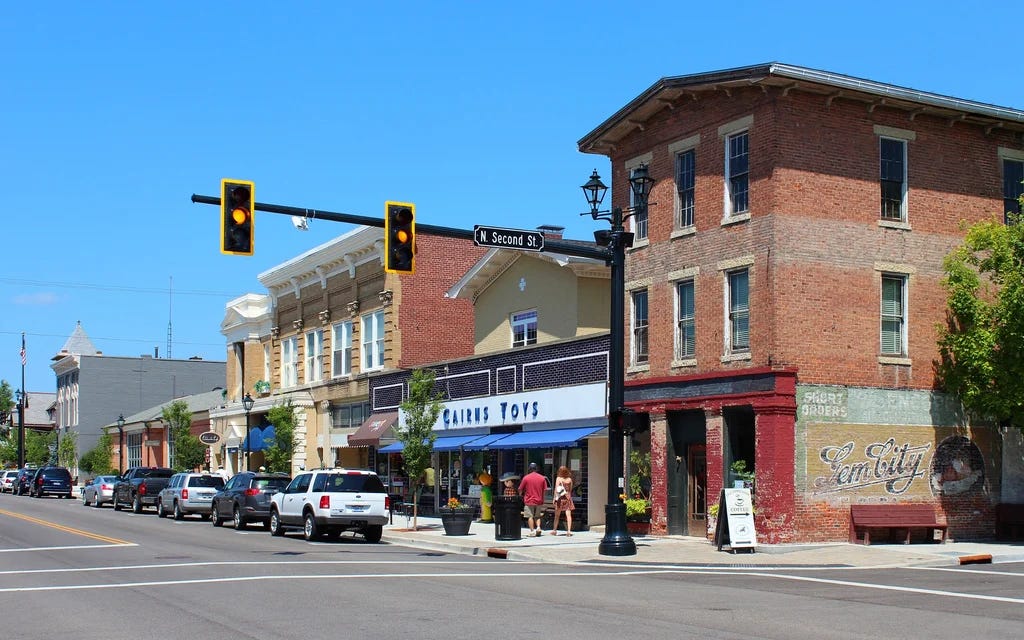
Last night, Tipp City Council unanimously approved their new comprehensive plan with little public fanfare. The plan sets forward the broad policy goals and land use for the community for the next few decades.
It’s important for residents to understand that as a plan, the document is not a set of construction drawings, a budget, or a promise that every proposal in it will occur. It is something more consequential: it’s the fundamental policy framework the city will use when deciding how the community grows, what it preserves, and where it spends public dollars.
Any comprehensive plan is strongest when it acknowledges a basic local-government truth: residents want a high level of service, quality public spaces, safe streets, preserved neighborhoods, and a more complete local economy. Those outcomes require deliberate choices, consistent policy, and money. This plan meets that test.
Tipp City has an amazingly good story to tell. Survey respondents overwhelmingly rated their quality of life as good or excellent. Yet the same residents identified a clear list of unfinished business: revitalizing Uptown and underused commercial property, improving parks, addressing traffic and pedestrian safety, and protecting the character of established neighborhoods. The plan reflects those concerns rather than pretending growth itself is the goal.
The Plan Understands the Tension Right
The central tension in Tipp City is not whether the community should grow. It already is and has for decades. The real question is whether growth will be coordinated with infrastructure, housing choices, traffic capacity, school impacts, public safety, and fiscal reality.
The plan does not avoid that question. It recognizes resident concern about congestion, low-quality housing development, loss of small-town character, and the strain growth can place on public facilities. At the same time, it makes the case that more housing options, selective infill, commercial redevelopment, and industrial investment are necessary if Tipp City wants the services and amenities residents say they want.
That is an important distinction. “Small-town character” should not become shorthand for opposing every apartment, condominium, redevelopment proposal, or new employer. Nor should “growth” become an excuse to approve projects that place long-term costs on existing residents. The plan’s value will be measured by whether officials apply that standard consistently.
Tipp City’s demographic realities reinforce the need for more intentional housing policy. The community is aging: the plan reports a median age above the county, state, and national figures, with a growing share of residents 65 and older. It also notes the need for housing that works for young professionals, families, and residents who want to remain in the community as they age. That calls for more than conventional single-family subdivisions. It calls for well-designed, well-located housing choices—with appropriate buffering, walkability, and infrastructure—not merely higher density for its own sake.
Uptown is the Early Proving Ground
The most visible near-term test is the Uptown District, including Tipp Plaza and the city-owned Long property at Main Street and County Road 25A. The city acquired Tipp Plaza and Tipp Center in March 2025, created a tax increment financing district, and has positioned the area for mixed-use redevelopment, commercial activity, housing, and a possible grocery anchor, another measure last night would have sold a portion of the Long property to Meijer for a grocery/general merchandise store.
Residents have been unmistakably clear: they want the west-side gateway improved, a grocery option closer to home, more local dining and retail, and fewer repetitive uses such as banks, gas stations, and warehouses. The plan channels that demand into a coherent redevelopment vision rather than treating each parcel as an isolated zoning case.
But public expectations should remain realistic. Retailers follow population, household spending, site access, competition, labor availability, and real estate economics. What the city can do is assemble land reponsibly, invest in infrastructure, align zoning, create an attractive development environment, and insist that public incentives produce a clear public benefit. That is where the public’s attention needs to be: the terms of development agreements, the use of TIF revenues, the cost of infrastructure, and the quality of the final product.
The Financial Question Cannot Wait
The plan deserves credit for directly addressing the gap between community expectations and available revenue. Tipp City’s 1.5 percent municipal income-tax rate is identified as lower than Piqua’s 2 percent, Troy’s 1.75 percent, and Vandalia’s 2 percent. Meanwhile, police, fire, streets, and parks are funded through the General Fund, without dedicated levies for those core functions.
This is not an argument for raising taxes. It is an argument for honesty. The city cannot promise expanded parks, better pedestrian connections, more police staffing, new public spaces, infrastructure replacement, and enhanced emergency response without identifying a durable way to pay for them.
The plan appropriately raises options: dedicated levies, a joint recreation district, intergovernmental cost-sharing, public-private partnerships, and dedicated capital funding for pedestrian and bicycle improvements. Council should now move beyond broad concepts and establish a public implementation dashboard showing the cost, responsible party, funding source, and annual status of each major action.
Adoption is the Beginning, Not the End
The plan contains 41 strategies across three themes: community prosperity and preservation, destination downtown, and a connected community. It calls for annual review by elected officials, the Planning Board, and the steering committee, including a measurable “percent complete” assessment - a helpful metric to determine how progress is being made on the plan.
That provision should not become a ceremonial exercise. Each year, city leaders should tell residents what was completed, what was delayed, what was dropped, what it cost, and why.
A comprehensive plan earns public trust only when it changes decisions. If it guides the redevelopment of Uptown, protects neighborhood stability, makes Hyatt Street and 25A safer, preserves downtown’s historic assets, and forces clearer conversations about infrastructure and revenue, Tipp City will be better for having adopted it.
This is what it looks like when residents stay informed. If you find value in this work, share it with a neighbor, a colleague, or anyone who cares about this community. Paid subscriptions keep it going — $5 a month.
Civic Capacity runs on one thing: readers who believe local journalism matters. If you want to support this work without a subscription, you can now make a one-time contribution through Buy Me a Coffee — or in my case, Buy Me an Iced Tea. Click the button below. Every contribution goes directly into the work you read here every day.